What Causes Tooth Sensitivity? A Guide for Burke, VA Patients
If sipping a hot coffee or biting into ice cream makes you wince, you’re not alone. Tooth sensitivity is one of the most common complaints we hear from patients at FamiDental in Burke, VA, and the good news is that it’s usually very treatable once we identify the cause.
What Tooth Sensitivity Feels Like
Tooth sensitivity typically shows up as a sharp, sudden twinge when your teeth are exposed to hot, cold, sweet, or acidic foods and drinks. Some patients also notice discomfort when brushing or flossing, or even when breathing in cold air. The pain is usually brief, but it can range from mild to genuinely uncomfortable.
Common Causes of Tooth Sensitivity
- Enamel erosion: The outer layer of your teeth, called enamel, protects the sensitive dentin underneath. Acidic foods and drinks, aggressive brushing, and teeth grinding can all wear enamel down over time, exposing the nerve endings beneath.
- Gum recession: When gums pull back from the teeth, either from periodontal disease or brushing too hard, the tooth root becomes exposed. Roots don’t have the same enamel protection as the crown of the tooth, so they’re much more sensitive to temperature and pressure.
- Cavities and tooth decay: A cavity creates an opening in the tooth that allows hot, cold, and sweet stimuli to reach the nerve directly. Sensitivity that’s isolated to one specific tooth is often a sign of decay that needs attention.
- Cracked or chipped teeth: Even a small crack can expose the inner layers of a tooth, leading to sensitivity that comes and goes, especially when chewing.
- Teeth grinding (bruxism): Grinding your teeth, often during sleep, wears down enamel and can lead to sensitivity along with jaw pain and headaches.
- Recent dental work: It’s normal to experience some temporary sensitivity after a filling, crown, or teeth whitening procedure. This typically resolves within a few days to a couple of weeks.
- Teeth whitening products: Some over-the-counter whitening treatments can cause temporary sensitivity, particularly if used too frequently or left on too long.
When to See a Dentist
Occasional mild sensitivity isn’t necessarily a cause for alarm, but you should schedule a dental exam if you notice sensitivity that’s getting worse, lingers for more than a few seconds, is limited to one tooth, or is accompanied by visible damage, swelling, or pain when biting down. These can be signs of a cavity, cracked tooth, or infection that needs prompt treatment.
How We Treat Tooth Sensitivity
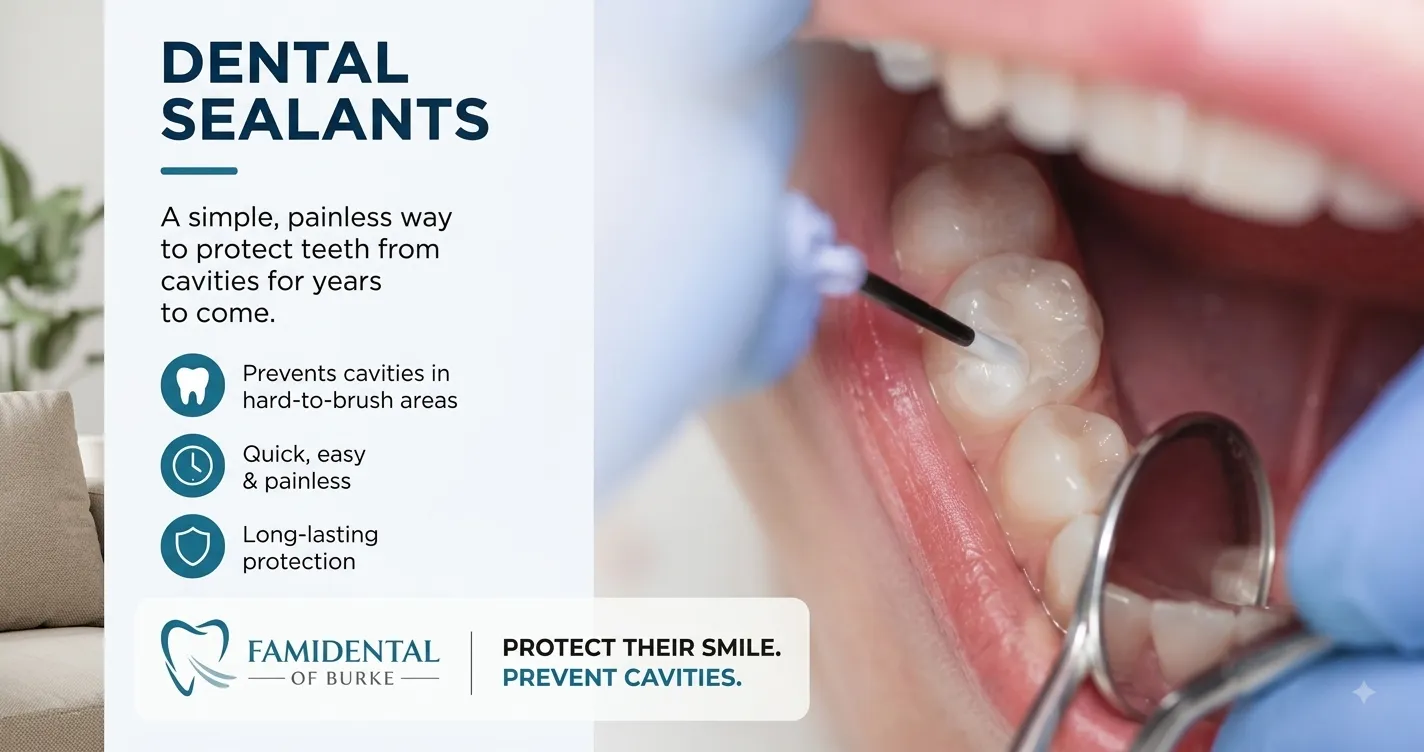
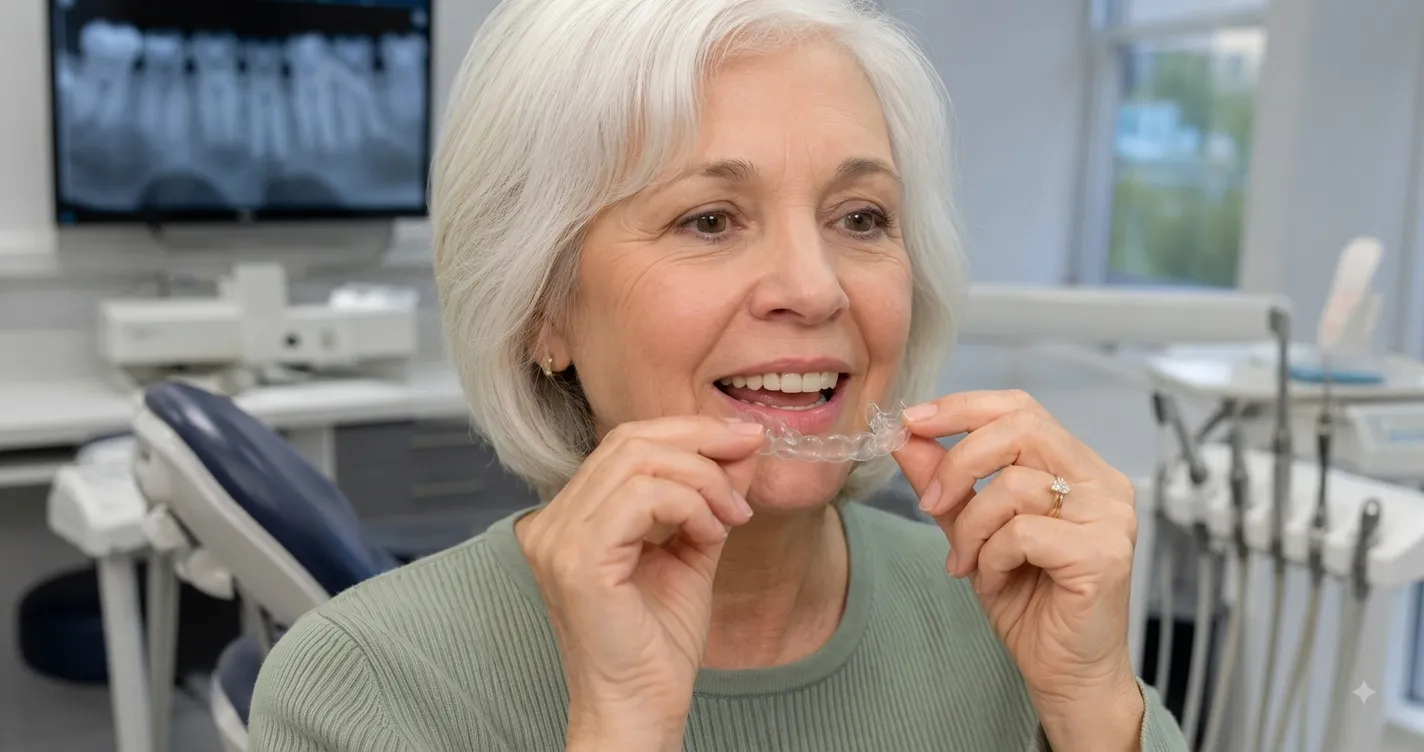
Treatment depends entirely on the underlying cause. At FamiDental, we start with a thorough exam to pinpoint what’s driving your discomfort. Depending on what we find, treatment might include a desensitizing toothpaste or in-office fluoride treatment, a dental bonding or sealant to cover exposed root surfaces, treatment of an underlying cavity, a nightguard to protect against grinding, or a gum graft in cases of significant recession.
For patients dealing with ongoing discomfort, routine cleanings and checkups also play a big role in catching these issues early, before they progress into something more painful or costly to treat.
Simple Steps to Reduce Sensitivity at Home
While you wait for your appointment, a few habits can help: switch to a soft-bristled toothbrush, use a toothpaste formulated for sensitive teeth, avoid brushing immediately after consuming acidic foods or drinks, and try not to grind or clench your jaw during the day.
Schedule Your Exam Today
Tooth sensitivity doesn’t have to be something you just live with. If hot or cold foods have you avoiding your favorite meals, our bilingual team at FamiDental in Burke, VA is here to help you get to the root of the problem. Call us at 703-952-4003 or book your appointment online to get started.
Written by Waldo Valdivia, DDS — Owner and Founder of FamiDental